2025 Phosagro Integrated Report

Research and education

Area, strategic goals and highlights of 2025

1

Improvement of production processes

Target
12.5

Target

  • Ensuring quality and enhanced properties of products, including a production process that respects safety and the environment throughout the life cycle

Actual

A comprehensive upgrade of high‑capacity sulphuric acid units SK‑600/1, SK‑600/2, and SK‑7/4 at the Cherepovets chemical facilities was completed, exceeding best available technique (BAT) benchmark indicators for marker substances

Software was developed for a computer‑based training simulator for remote control panel operators at the Balakovo branch of Apatit

2

Improvement of the product mix

Target
2.4

Target

  • Promotion of sustainable farming practices, development of new fertilizer grades for increased availability of best practices in farming

Actual

Trials of new controlled‑release fertilizer types with micronutrients and organic coatings demonstrated yield increases exceeding

|gt| 10 %
against the control group

Prototypes of feed additives with an extended composition – combining a mineral matrix, probiotics, and fibre – were developed

A safe and effective non‑protein nitrogen source for cattle was also developed

3

Application improvement

Targets
13.2, 15.3

Target

  • Soil safety, biodiversity conservation, fertility growth and lower GHG emissions in agricultural production and throughout the product’s life cycle from mine to plate

Actual

In collaboration with the Izrael Institute of Global Climate and Ecology, carbon farming methodologies were developed for

100 crops

The Pro Agro Lectorium platform now hosts:

|gt| 400 lectures
18 additional professional education courses

available in three languages

The Pro Agro Lectorium platform ranked third at the Workspace Digital Awards 2025 in the Education category, and its project manager was named a winner of the People Who Change the Country 2025 Award

4

Cooperation with universities and Russian and international R&D centres

Targets
4.4, 17.16

Target

  • Implementation of a comprehensive phased programme to support sustainable agricultural practices and support young scholars in running sustainable development projects

Actual

PhosAgro Group and FAO, with the participation of the Soil Science Faculty of Lomonosov Moscow State University and KEPT consultants, advanced the RECSOIL project at the partner farm of AgroGard in the Oryol region

The Company’s developments in fertilizer production are a sustainable development driver in agriculture and make a meaningful contribution to strengthening cooperation for food security.

PhosAgro Group seeks to ensure efficient and safe agricultural production and develops new grades and types of fertilizers while also working hard to minimise the environmental impact of mineral fertilizer application and production. In doing so, the Company relies on Russian and international experience and leading research and production practices.

The priorities set out in our Strategy to 2025 – raising the share of products that address emerging agricultural challenges, advancing technology and production, and strengthening engagement with stakeholders and partners in the areas of research and education – carry forward into the draft Strategy to 2030.

PhosAgro Group’s product mix comprised over 58 grades of fertilizers of all types in 2025. The Company’s Strategy focuses on developing products that address the evolving challenges faced by farmers. These include shifting climatic conditions, growing demands for plant nutrition efficiency per unit of nutrient, and better feed‑to‑output conversion in food‑producing animals. The draft Strategy to 2030 envisages new products that will substantially expand what is possible for agriculture.

GRI 3‑3

Our product development and research and education management system is an integral part of the overall management framework covering all Company processes.

PhosAgro Group runs the Samoilov Scientific Research Institute for Fertilizers and Insectofungicides (NIUIF), Russia’s only institute specialising in this area.

PhosAgro Innovation Centre was established in 2018 to create cutting‑edge products and technologies in partnership with research institutions in Russia and abroad. The NIUIF and PhosAgro Innovation Centre bring together world‑class researchers, engineers, and experts from various areas to address the most complex operational issues as well as applied and fundamental research problems.

The Group actively cooperates with the Ministry of Agriculture of Russia, the Russian Academy of Sciences, federal research centres, universities, funds that promote frontier research, and international R&D organisations (University of Belgrade and Brazil’s Federal University of Lavras), along with recognised international partners for the integrated delivery of humanitarian and research‑intensive projects. The Company is also in discussions with the following universities to set up agricultural competence centres and develop lecture series covering a broad range of subjects: the Federal University of Rio de Janeiro, Federal Rural University of Rio de Janeiro, Federal University of Parana, University of South Africa, University of Zululand (UniZulu), and Shankara Group of Institutions (India).

Scientific, research, and educational matters fall within the remit of Apatit’s Technical Development Department, PhosAgro’s Sales and Marketing Department, and PhosAgro’s International Development and Projects Department. These matters are reviewed annually by the Board of Directors’ Strategy and Sustainable Development Committee and by the Board of Directors.

Stakeholder engagement

The Company’s operations span the entire production cycle from mining apatite‑nepheline ore and processing it into mineral fertilizers to their end use by consumers. Combined with our efforts to develop innovative plant nutrition systems, this creates a wide network of stakeholders which we seek to engage with on a priority basis: scientific institutions, university research teams in Russia and abroad, the wider international community, and international organisations.

We are committed to fostering partnerships with the scientific community, international organisations and universities through joint working groups and collaborative projects aimed at driving innovations, enhancing the reputation of Russian science, and unlocking its full potential.

The following strategic risks affect our research and education objectives:

7
Environmental
13
Regulatory
19
Climate

Risks specific to the Company’s operations include:

  • non‑compliance of products’ manufacturing process and their use with carbon footprint standards and other environmental requirements;
  • insufficient environmental friendliness of production processes;
  • insufficient resource use efficiency;
  • non‑alignment of plant nutrition systems with specific farming conditions;
  • lack of awareness about the Company’s products and services, coupled with the level of expertise prevailing among agricultural professionals both in Russia and abroad.

The Group develops corrective measures as necessary and unlocks opportunities to mitigate those risks. Below you can find more information about what we do on this front, including:

  • development of proprietary technologies and import substitution solutions;
  • introduction of new sustainable products and nutrition systems with enhanced environmental safety, improved biological availability, and adaptability to the climate change;
  • opportunities related to the development of partnerships in science, education, and awareness raising;
  • promotion of responsible agricultural practices.

2025 metrics and highlights

Investments in R&D activities and development of new products, RUB mln
‘23‘24‘252,481.42,635.32,284.9

Sulphuric acid production technology improvements

In 2025, guided by NIUIF’s developments, a comprehensive upgrade of high‑capacity sulphuric acid units SK‑600/1, SK‑600/2, and SK‑7/4 at the Cherepovets chemical facilities was completed, achieving design output and SO₂‑to‑SO₃ conversion targets and exceeding BAT benchmark indicators for marker substances.

The project made extensive use of Russian‑manufactured equipment and catalysts, as well as domestic automated process control solutions.

Development and registration of new product grades

The Company analysed available technologies and conducted a body of research into water‑soluble calcium nitrate production.

Work was carried out to collect and develop baseline data for the design of a 100 ktpa calcium nitrate production unit.

Development and implementation of training solutions

Software was developed for a computer‑based training simulator for remote control panel operators at the Balakovo branch of Apatit. Mathematical algorithms were built to simulate five stages of the production process with precision. A variety of initial operating modes was designed to let trainees practise process control under different conditions, and a procedure for analysing trainee actions on completion of a virtual shift was established.

Improvement of ore extraction and processing

In collaboration with leading research teams from NIUIF, the Federal Research Centre of the Kola Science Centre of the Russian Academy of Sciences, St Petersburg State University, National University of Science and Technology, and others, work on improving ore mining, beneficiation, and processing continues.

In 2025, exploratory research covered:

  • chemical and mineralogical composition and beneficiation amenability of apatite‑nepheline ores from prospective Khibiny deposits;
  • potential comprehensive utilisation of extracted mineral raw materials;
  • new flotation reagents to stabilise and improve apatite flotation efficiency under adverse ore composition conditions;
  • control algorithms for key beneficiation processes;
  • geomechanical state of the rock mass during blasting operations;
  • scientific support for mining operations at apatite‑nepheline deposits under complex geomechanical, engineering, and hydrogeological conditions;
  • pilot industrial trials of main and auxiliary process equipment and materials.

Energy and elements of circular economy
Improving the efficiency of using resources, including water, and increasing the energy efficiency of production processes are crucial tasks for the Company.

In 2025, the Company completed a significant body of work on developing key technical solutions to improve energy efficiency across core production facilities at all Group sites, including solutions for reducing energy consumption at the existing sulphuric acid facilities of the Volkhov and Balakovo branches of Apatit, and for optimising energy consumption at newly designed sulphuric acid facilities.

Key technical solutions were also completed for the modernisation of the second ammonia production line’s steam and power unit and for water treatment sections at the first and second ammonia production lines of Apatit.

Engineering documentation under the water use optimisation programme for the Cherepovets site was finalised.

Design supervision is underway for energy and key production facilities being built at Balakovo branch to expand in‑house power generation.

The NIUIF team completed a broad range of tasks related to increasing mineral fertilizer performance, including the development of draft technical specifications and the validation of measurement methods for food grade and technical grade purified phosphoric acid and feed phosphates, and state registration of the Company’s new fertilizer grades.

Sergey Lobanov

The research teams at NIUIF and the PhosAgro Innovation Centre are tasked with ensuring technological leadership and developing new, efficient technologies for mining and processing apatite‑nepheline ore and producing fertilisers across PhosAgro Group’s facilities.

The primary focus of all of these solutions is biologisation of agriculture, improvements in the quality of agricultural products, reduction of the environmental impact of chemicals in intensive farming, and introduction of specialised niche products, which will bolster crop yields and improve product quality, while also mitigating the climatic and environment impact.

Development areas to 2030:

  • adaptive variety‑specific crop cultivation technologies;
  • integrated crop management with long‑term field carbon balance monitoring;
  • addressing nutrient deficiencies in food‑producing animals;
  • enhancing plant and animal resilience to stress factors, including climate‑related ones.

Development of new fertilizers

Development of biologised fertilizers
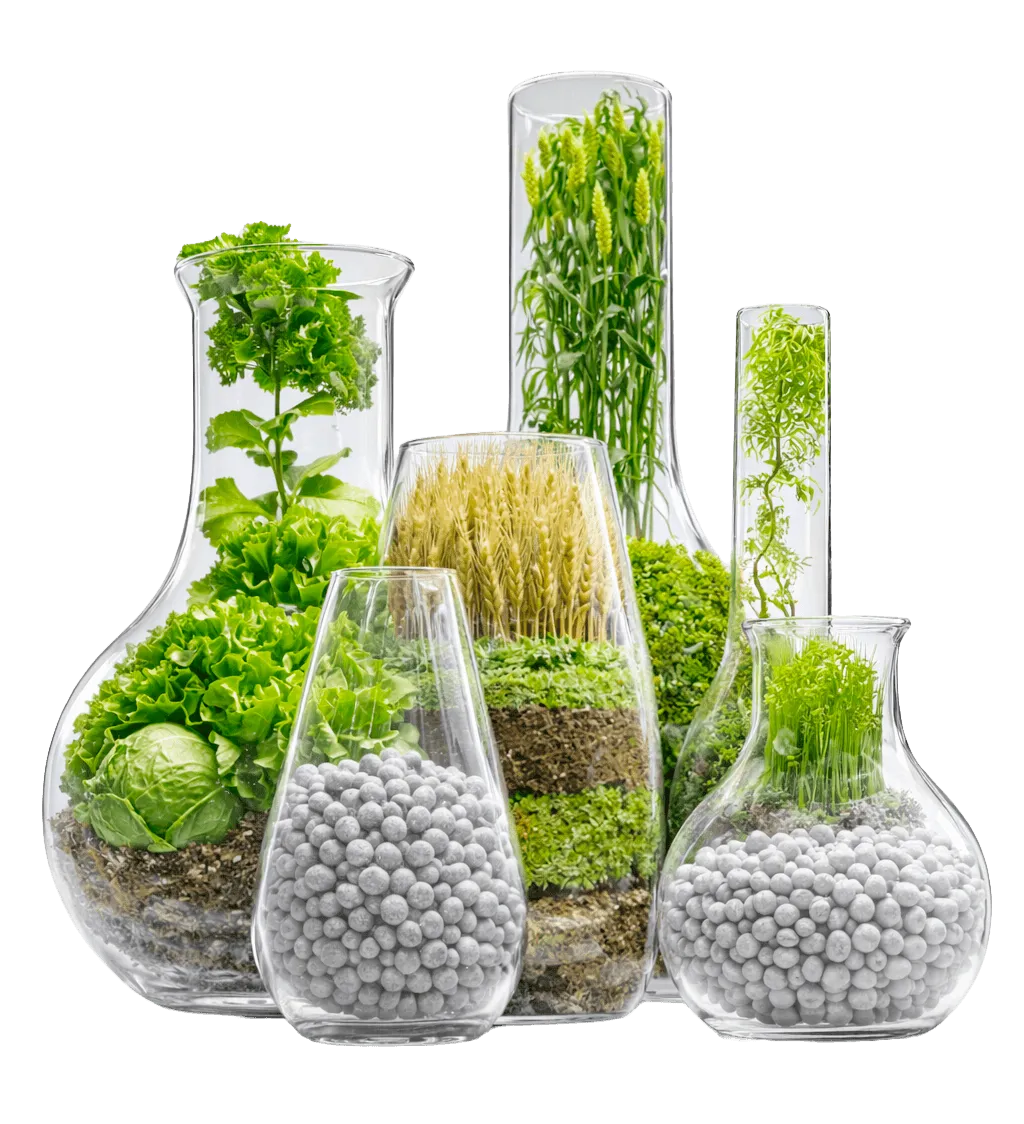
In 2025, PhosAgro Group continued its research into the impact of biologisation on GHG emissions from fertilizers. In partnership with the Russian State Agrarian University – Moscow Timiryazev Agricultural Academy, the Caspian Federal Agrarian Research Centre of the Russian Academy of Sciences (CFARC of RAS) and Ulyanovsk Research Institute of Agriculture (URIA, a branch of Samara Federal Research Centre of the RAS), the Company ran second‑year in‑depth trials to study nitrogen emissions resulting from the use of both traditional mineral fertilizers and their biologised alternatives. The trials took place in the Astrakhan region on irrigated lands typical for arid areas of risky farming, which are especially vulnerable to climate change and associated stress factors for plants and soils. Additional trials were carried out in the Ulyanovsk region on chernozem soils with average national crop yield levels and without irrigation. The trials clearly demonstrated that biologised fertilizers contributed to an overall increase in biomass and a notable boost in marketable crop yield.

Development of new fertilizers
Average results of testing biologised and non‑biologised fertilizers under different climatic conditions in 2024–2025
Fertilizers Nitrogen dosage, kg of nutrient / haKg of nutrient / ha. CFARC of RAS (irrigation) URIA (no irrigation)
Grain, t/ha Straw, t/ha Grain, t/ha Straw, t/ha
Spring wheat
Control (no fertilizer) 0 1.48 2.18 3.26 2.47
Urea N 46.2 30 2.55 3.74 3.75 2.88
120 4.09 5.59 3.68 2.87
Bio‑urea bio‑N 46.2 30 3.28 4.69 3.71 2.88
120 4.78 6.65 3.73 2.83
NPK(S) 10:26:26 (1) 12 3.10 4.51 3.99 3.05
46 3.06 4.19 4.30 3.33
Bio‑NPK(S) 10:26:26 (1) 12 4.02 5.75 3.84 2.94
46 3.16 4.55 4.11 3.14
Field peas
Control (no fertilizer) 0 0.76 1.01 3.34 2.54
Urea N 46.2 30 3.42 4.45 3.70 2.91
60 5.05 6.70 3.65 2.85
Bio‑urea bio‑N 46.2 30 5.38 7.25 4.06 3.13
60 5.44 6.74 3.89 3.01
NPK(S) 10:26:26 (1) 12 3.78 5.23 4.40 3.47
46 1.80 2.47 4.20 3.33
Bio‑NPK(S) 10:26:26 (1) 12 4.72 6.32 4.49 3.48
46 2.09 2.83 4.41 3.42

In 2025, we patented a technology for producing biologised fertilizers, securing two patents for innovative methods of manufacturing biologised nitrogen‑based and NPK fertilizers. The product line will include N, NP and NPK fertilizers, allowing for smooth integration of a biological component into the existing nutrition system through replacement of the traditional counterpart with a view to ensuring seamless transition to biologised farming.

The technology enables the application of high concentrations of biologically active strains that are resilient to concentrated inorganic salts.

The trials clearly demonstrated that biologised fertilizers contributed to an overall increase in biomass and a notable boost in marketable crop yield.

In 2026, the production line will be fully established and product registration completed, making biologised fertilizers available to agricultural organisations and subsistence farmers ahead of the 2027 spring planting season.

In 2024–2025, four patents covering the entire biologised product range were obtained:

  • patent for the invention No. 2828459, 20 February 2024: “Method of applying biocomponents to the surface of granulated diammonium phosphate”;
  • patent for the invention No. 2828467, 20 February 2024: “Method of applying biocomponents to the surface of granulated monoammonium phosphate”;
  • patent for the invention No. 2833360, 20 February 2024: “Method of applying biocomponents to the surface of granulated urea”;
  • patent for the invention No. 2835041, 5 March 2024: “Method of applying biocomponents to the surface of granulated NPK fertilizers”.

The next phase of agro‑technology development will introduce biological fertilizer modifiers with varying effects, along with a urea‑based crop residue decomposer. This will extend biologisation measures across the full agro‑technological cycle, from sowing through foliar application to organic matter decomposition. The approach combines phosphorus and potassium mobilisation, nitrogen fixation, organic matter decomposition, biological protection, and the stimulation of plant growth and development.

Determining the optimal method of incorporating crop residues is a key challenge in integrated crop management: residues simultaneously serve as a nutrient source for both beneficial microorganisms and pathogens. Preventive post‑harvest inoculation with beneficial and decomposer bacteria (detritivores) significantly reduces the pathogen load and enables winter crops to draw on the nutritional elements in spring crop residues.

Trial results for crop residue decomposer fertilizer
Prototype Reduction in mass of 300 g cellulose sample, mg
1 month 2 months 3 months
Control 0 –3 –4
Pseudomonas fluorescens strain –13 –22 –24
Fertilizer + Pseudomonas fluorescens strain –7 –32 –38
Fertilizer + Bacillus subtilis strain –20 –30 –54
Fertilizer + Bacillus subtilis strain + Cellulomonas flavigena strain –28 –39 –69

Trials of the fertilizer and crop residue decomposer showed that a more active decomposer strain, combined with the fertilizer, accelerates the decomposition of crop residue compared to the control group, prevents disease development, and improves the uptake of nutrients from crop residue by subsequent crops.

Given that 1 tonne of wheat grain generates 1.3–1.5 tonnes of straw, targeted decomposition of crop residues at 20–30% could support yield increases of up to 10% at fertilizer application rates of 10–20 kg/ha.

Micronutrient application technologies

The Group’s product range already includes 16 products with micronutrients, such as boron and zinc, incorporated directly into granulated fertilizers; many grades also contain mesoelements: magnesium, calcium, and sulphur in mineral salt form.

Ten research institutes with chemical engineering and agricultural expertise are engaged in parallel on the development of new fertilizers with micronutrients in protected form.

In 2025, the first trials of fertilizers with molybdenum and copper were completed; in 2026, research will extend to selenium.

In partnership with Mendeleev University of Chemical Technology, PhosAgro is pursuing the engagement of talented young scientists in micronutrient technology development, with an expansion of research laboratory capacity planned for 2026.

Trial results for new controlled‑release fertilizer types with micronutrients and organic coatings
Fertilizer
forms
Dosage Gross yield, t/ha Extra yield,
t/ha %
Potato, Krasa Meshchery variety
N90P60K135 – background – 44.5 – –
Background + biostimulant (liquid) 2.0 l/ha 50.5 6.0 13.5
Background + micronutrient stimulant 1 (solution) 0.3 l/ha 51.7 7.2 16.2
Background + micronutrient stimulant 2 (powder) 20 g/ha 53.5 9.0 20.2
Potato, Babyninsky variety
N60P60K60 – background 400 kg/ha 30.0 – –
N60P46K69 organo‑mineral fertilizer 1 460 kg/ha 34.3 4.3 14.3
Spring wheat, Zlata variety
N60P60K60 – background 400 kg/ha 3.2 – –
N60P45K60 organo‑mineral fertilizer 2 500 kg/ha 3.6 0.4 13.2
Spring wheat, Darya variety (under nutrient deficiency)
No fertilizers – 1.2 – –
Liquid complex fertilizer 50 1.3 1.1 9.2
Liquid complex fertilizer + micronutrients 50 2.2 9.6 80.7

Organo‑mineral fertilizers with organic coatings and fertilizers with micronutrients can significantly increase yields (see the table above).

Carbon farming technologies

Drawing on experimental data and in collaboration with the Izrael Institute of Global Climate and Ecology, carbon farming methodologies were developed for 100 crops. In 2026, these results are to be integrated into PhosAgro’s Agro Calculator, where they will work in combination with other parameters for calculating individual plant nutrition systems. With the Agro Calculator, users will be able to evaluate the carbon footprint of agricultural products and streamline relevant nutrition strategies to minimise emissions, which is of particular importance for products exported to markets with GHG border tariffs.

Adaptive variety‑specific agro‑technologies

The Company is systematically collecting and analysing data on the varietal sensitivity of high‑margin crops. Varietal characteristics, set out in each variety’s description, directly determine the quantity and quality of yield obtained. In 2024–2025, variety sensitivity trials for identical nutrition systems were conducted using potato as a model crop, and extended to crops such as tomato, pepper, onion, and aubergine. The trials are designed to generate in‑depth knowledge and conversion coefficients linking theory to practice, with the aim of improving the accuracy and functionality of the Agro Calculator and sharpening yield forecasts for adaptive crop‑specific PhosAgro nutrition systems.

Varietal sensitivity of vegetable crops to nutrition systems under Astrakhan region conditions
Crop Potato Nutrition system Yield, t/ha Extra yield, %

Potato

N280P90K190

Prime Control 51.7 –
Bio + Apasil + micronutrients 58.9 13.9
Flamingo Control 52.3 –
Bio + Apasil + micronutrients 58.8 12.4
Carmen Control 41.6 –
Bio + Apasil + micronutrients 47.0 12.9

Field trials of established regional agro‑technologies showed that, at identical NPK application rates and agronomic conditions, yield varies substantially depending on variety and the presence of stimulating components: tomato – 59.6 ± 9.1 t/ha; pepper – 43.5 ± 8.9 t/ha; aubergine – 57.1 ± 10.8 t/ha; onion – 55.8 ± 14.6 t/ha; potato – 50.3 ± 8.6 t/ha.

Trials on other vegetable crops (aubergines, peppers, tomatoes) showed similar results.

Development of feed additives

In 2025, PhosAgro’s Innovation Centre continued research and production trials in animal farming, aimed at broadening the range of feed solutions, improving animal productivity, and reducing the environmental footprint of production. The work was carried out in collaboration with scientific and educational institutions, including the Federal Williams Research Centre of Forage Production and Agroecology, Skryabin Moscow State Academy of Veterinary Medicine and Biotechnology, Mendeleev University of Chemical Technology, Russian State Agrarian University – Moscow Timiryazev Agricultural Academy, and Ulyanovsk State Agricultural University named after P.A. Stolypin.

Achieving high animal productivity is a multifaceted undertaking encompassing high‑quality feed production, effective preservation, and targeted supplementation of rations with purpose‑built feed additives.

A central area of focus was the development of protected feed grade urea as a safe and effective non‑protein nitrogen source for cattle. Protective coatings enable the slow release of urea in the rumen, improve microflora uptake, and reduce the risk of toxic ammonia concentrations. The product will be manufactured using a unique patented technology, with the patent application planned for 2026.

In 2024–2025, trials of microbiological feed preservatives for roughage production were conducted. At the Federal Williams Research Centre’s Poima breeding farm, 2,000 tonnes of maize silage were ensiled using the Fermasil inoculant (Innopraktika) and subsequently fed to dairy cattle.

Quality and nutritional value of maize silage preserved with Fermasil compared with standard farm practice
Ensiling variant Digestibility, % Metabolic energy, MJ
Dry matter Crude protein Crude fat
Farm’s practice 68.3 57.9 86.8 10.6
Fermasil 72.6 61.4 89.7 11.2
Increase in nutritional value +6.3 +6.0 +3.4 +5.7%

The use of Fermasil‑preserved silage improved both dairy productivity and production economics, generating additional revenue and profit from milk sales in the trial group of cows.

As part of the biologised nutrition systems programme for forage crops, a multi‑year field trial on calves at the Federal Williams Research Centre was completed, examining alfalfa cultivation using PhosAgro products.

Results of biologised nutrition systems applied to alfalfa (2023–2025)
Variant Green mass weight over 3 years, t/ha Deviation from control, % Crude protein in 2023–2025, t/ha Deviation from control, %
Farm’s practice 115.5 – 3.62 –
Biologised nutrition system 1 132.8 +15 3.95 +9
Biologised nutrition system 2 153.6 +33 5.34 +47

The data obtained lay the foundation for developing comprehensive forage crop growing programmes and animal nutrition systems using PhosAgro products.

The results of biologised nutrition systems applied to alfalfa relate to feed additives and are of interest at the intersection of livestock and crop farming, as biologised plant nutrition technology is used for pastures, hayfields and preserved forage production. Enriching plant biomass with bacteria, which also act as probiotics, supports healthier development of farm animals.

Research as part of PhosAgro’s carbon farm project in the Vologda region

As part of a long‑term climate action, the Company has set up a carbon farm to study CO2 compensation, absorption of carbon emissions by various ecosystems, as well as to test hands‑on solutions for establishing large‑scale carbon farms in agriculture and forestry.

In 2025, PhosAgro Group and its scientific partners, working under the leadership of the Russian Academy of Sciences, completed the scientific phase of the project. The work yielded unique data on the accelerated cultivation of deciduous and coniferous trees and on the soil carbon balance in forest and agricultural ecosystems. Drawing on these findings, and in collaboration with the Izrael Institute of Global Climate and Ecology, Russian State Agrarian University – Moscow Timiryazev Agricultural Academy, Caspian Federal Agrarian Research Centre of the Russian Academy of Sciences (CFARC of RAS), and Ulyanovsk Research Institute of Agriculture (URIA, a branch of Samara Federal Research Centre of the RAS), practical recommendations were developed for 100 agricultural crops.

To refine the calculation algorithms in line with carbon farming methodologies, a production trial was launched in 2025 covering seven crops and one green manure crop at an operating farm, with the aim of quantifying the deviation between calculated and actual results.

Trial results for deviations of calculated methods from practical outcomes
Crop Preceding crop Nutrition system Calculated yield, t/ha Actual yield, t/ha Deviation, %
Spring wheat Potato N94P40K60 4 5 25
Spring barley Potato N57P40K60 4 5 25
Oats Wheat N67P40K60 4 4 0
Potato Oats N162P60K90 35 38 9
Potato Oilseed radish N162P60K90 35 40 14
Beetroot Wheat N157P160K240 60 62 3
Carrot Potato N133P160K240 40 41 2
Onion Potato N39P40K60 25 26 4

In 2026, the data obtained are to be consolidated jointly with the Russian State Agrarian University – Moscow Timiryazev Agricultural Academy and integrated as updated carbon calculation algorithms into PhosAgro’s Agro Calculator.

The data show that the Company’s Agro Calculator can reliably calculate the required fertilizer doses to achieve high yields, with actual yields exceeding calculated yields by up to 25%. This means that the ongoing development of the Agro Calculator already enables farmers to plan field operations with confidence and achieve high harvests. The Company plans to continue improving the calculator’s algorithms for its users.

Pro Agro Lectorium innovative training platform

Meeting the demand for skilled professionals in the rapidly growing agriculture sector is a major concern worldwide.

Since 2019, PhosAgro has been building a scientific and educational model comprising:

  • 24 PhosAgro educational centres established at agronomy universities;
  • 47 partner universities and colleges;
  • the Pro Agro Lectorium digital educational platform, offering free access to lectures on agronomy and agrochemistry, crop and livestock production, innovation, and digitalisation in agriculture.

Pro Agro Lectorium currently hosts more than 400 lectures and 18 additional professional education courses culminating in the awarding of official state qualifications. Pro Agro Lectorium offers lectures in Russian, English, and Portuguese. By 2030, the programme is set to expand to 50 educational centres and 1,100 lectures.

In ProAgro Lectorium, university students can access modern expertise in agriculture and better understand the nature of their future profession; graduates can use the lectures for a smoother onboarding at a new job; teachers can align their knowledge with the latest scientific developments and engage in self‑study; and seasoned farmers can receive additional training. The platform has been integrated into the academic curricula of the Russian State Agrarian University – Moscow Timiryazev Agricultural Academy and Skryabin Moscow State Academy of Veterinary Medicine and Biotechnology.

Equal opportunities and unhampered access to knowledge make it easier to adapt university curricula to modern labour market requirements, providing students with relevant knowledge and practical skills.

In 2025, new PhosAgro educational centres were opened at Tver State Agricultural Academy and Nizhny Novgorod State Agrotechnical University; in early 2026, the Ulyanovsk State Agricultural University named after P.A. Stolypin will join the network.

PhosAgro’s scientific and educational model takes a comprehensive approach to digitalising agricultural education, integrating educational, career, and analytical tools, and tackling sector‑specific challenges through technological and international collaboration. The project is a key element of the joint PhosAgro – Russian Ministry of Agriculture initiative to develop digital competencies in agricultural universities.

The platform ranked third at the Workspace Digital Awards 2025 in the Education category, and its project manager was named a winner of the People Who Change the Country 2025 award.

The platform aims to provide unique up‑to‑date expertise in various farming practices.

Over 200 speakers from Russia, China, India, Brazil, South Africa, and other countries have already contributed lectures in 22 areas to the platform.

Our strategy for innovating and helping students, teachers, and farmers to develop professional competencies relies on partnerships with the leading agricultural universities and R&D centres.

Alexander Antonov

In the face of global challenges, PhosAgro Group, a recognised global leader in the agrochemical industry, actively engages in large‑scale international research, education and humanitarian projects designed to ensure global food security and sustainable agriculture. We recognise our responsibility to future generations and are committed to the UN 2030 Agenda by making improved mineral fertilizers accessible and rolling out innovative solutions that increase yields and reduce environmental impact.

International science, education and awareness raising projects

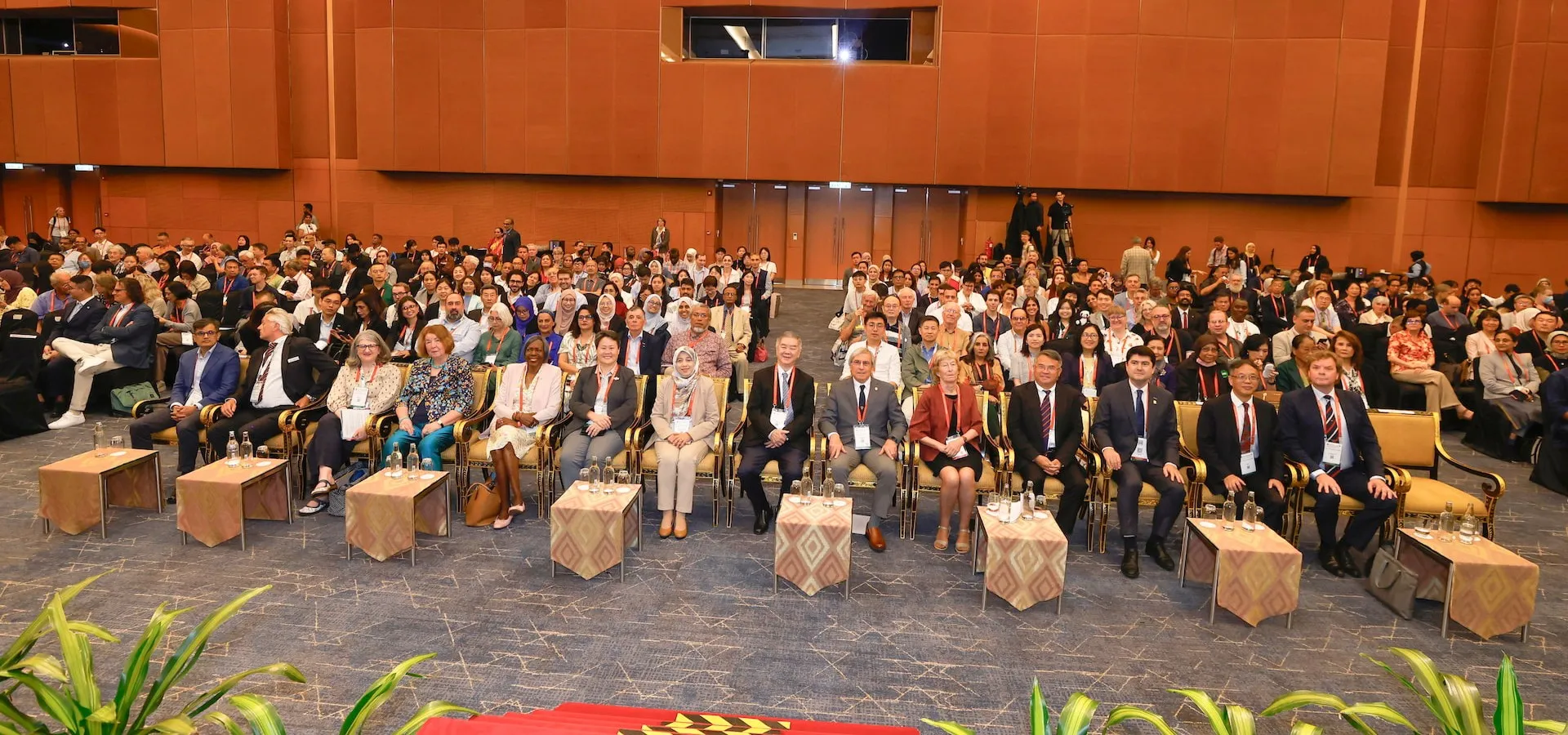
50th IUPAC World Chemistry Congress on Green Chemistry: “Chemistry for a Sustainable Future”

PhosAgro was the General Partner of the 50th IUPAC World Chemistry Congress on Green Chemistry “Chemistry for a Sustainable Future”. On the sidelines of the congress, PhosAgro, UNESCO, and IUPAC also held the international symposium titled “Green Chemistry: Experience and Opportunities for Cooperation”, which marked the tenth anniversary of the Green Chemistry for Life grant programme and reviewed its achievements.

International Union of Pure and Applied Chemistry (IUPAC)
International Union of Pure and Applied Chemistry (Iupac)

IUPAC Summer Schools on Green Chemistry

A joint project of PhosAgro and Green Sciences for Sustainable Development Foundation, supported by IUPAC
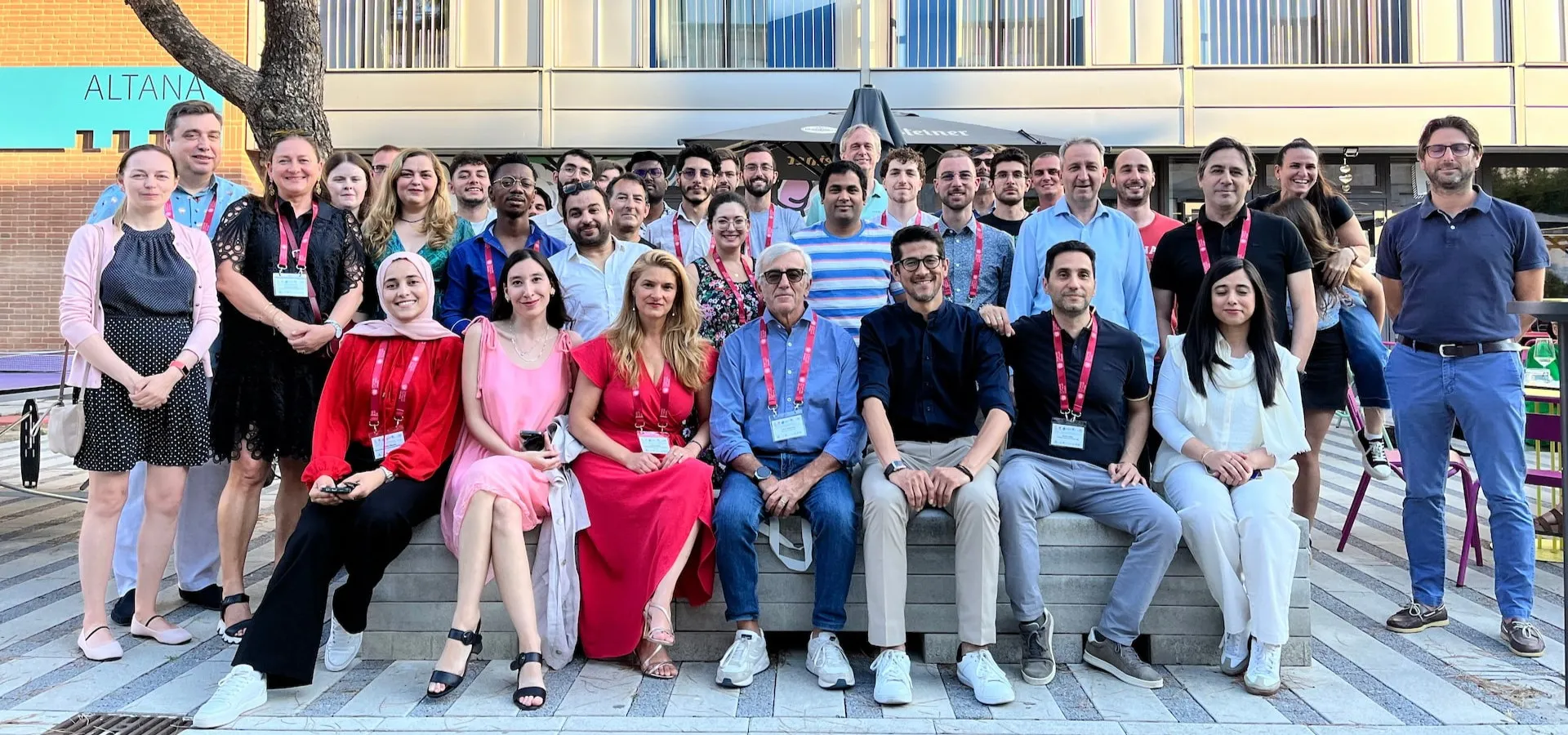
The seventeenth session of the IUPAC Summer School on Green Chemistry took place at Ca’ Foscari University, Italy in July 2025. It brought together 75 young scientists from 33 countries, including 25 African researchers. Since the project’s inception, it has attracted over 1,000 young researchers from 75 countries.

IUPAC Summer Schools on Green Chemistry

UNESCO

A joint grant programme by PhosAgro, UNESCO and IUPAC

In December 2025, the INOMER international consultancy completed an evaluation of the Green Chemistry for Life programme. Its findings described the project as a relevant, coherent, effective, efficient, and sustainable initiative that delivers significant benefits for early-career scientists and contributes to global green chemistry capacity. The programme was recognised as consistently generating outcomes and long-term scientific effects. The report is available at the link.

UNESCO

UN Food and Agriculture Organisation (FAO)

Development of Sustainable Agriculture through the Implementation of the Global Soil Doctors Programme and the Creation of the Global Soil Laboratory Network (GLOSOLAN)
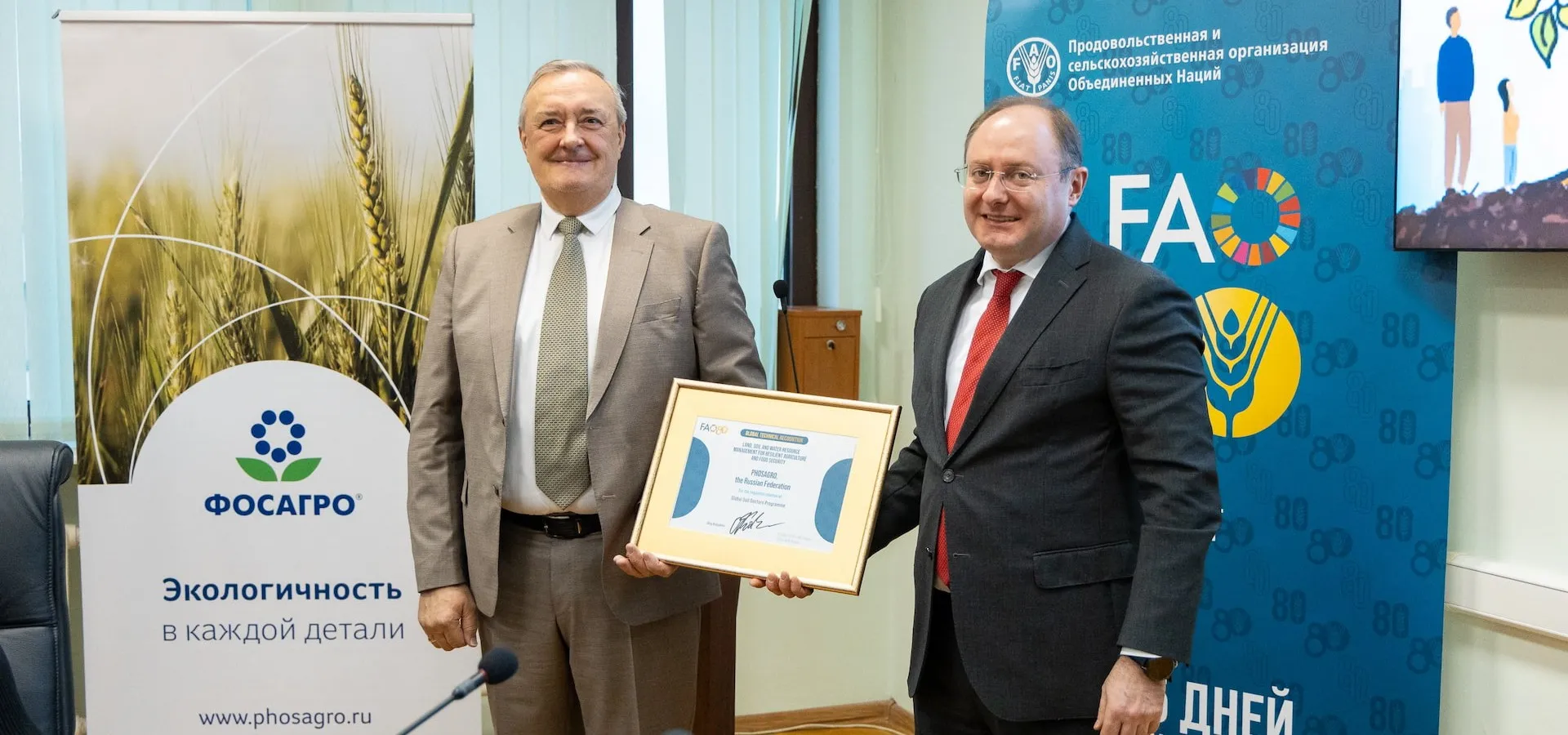
In 2025, PhosAgro Group received the prestigious FAO Global Technical Recognition Award in the category “Land, Soil, and Water Resource Management for Resilient Agriculture and Food Security” – placing it among the world’s leading companies recognised for this work. The award was presented to PhosAgro Group CEO Alexander Gilgenberg by the Director of the FAO Liaison Office with the Russian Federation Oleg Kobiakov at the World Soil Day celebration in Russia.

UN Food and Agriculture Organisation (FAO)

Recarbonisation of Global Soils (RECSOIL) Project
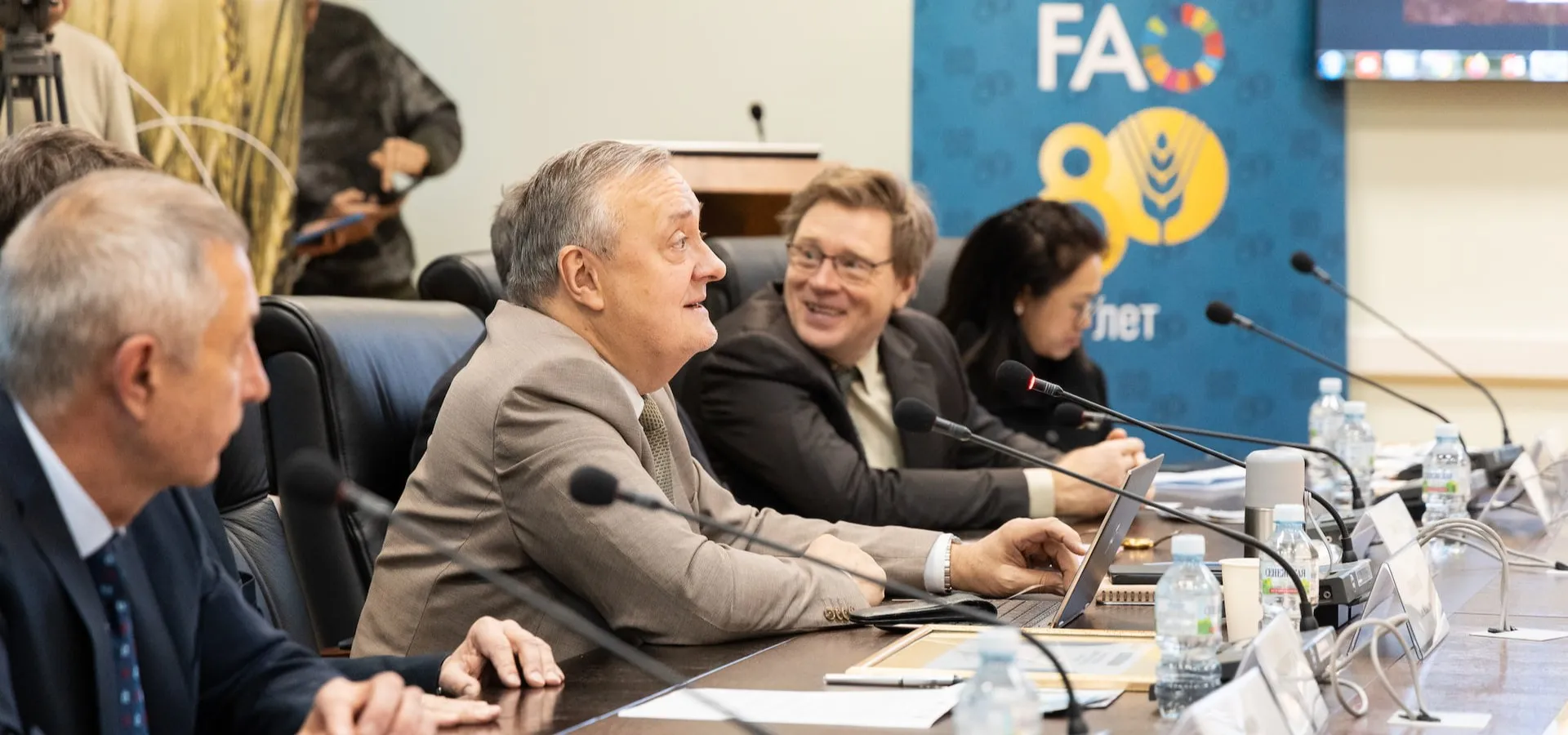
The initiative’s key objective is to improve soil carbon content while reducing greenhouse gas emissions from farm lands through the implementation of sustainable soil management practices.

In 2025, PhosAgro Group and FAO, with the support of AgroGard and the Soil Science Faculty of Lomonosov Moscow State University, launched a series of scientific and practical workshops on soil recarbonisation as part of the RECSOIL project.

On 5 December, World Soil Day, PhosAgro Group, AgroGard, and Lomonosov Moscow State University co‑hosted an international conference on maintaining soil fertility, reviewing the outcomes of the project’s first year in Russia and the application of advanced carbon farming technologies on AgroGard’s agricultural land in the Oryol region.

Recarbonisation of Global Soils (RECSOIL) Project

Development of Scientific and Educational Cooperation with African Countries

Through its African partnerships, PhosAgro Group actively engages with diplomatic missions, agricultural universities, and research centres, with the aim of sharing the Company’s educational and scientific practices in agro‑industrial workforce training.

In 2025, delegations from Equatorial Guinea, Kenya, Ethiopia, Zambia, and Nigeria visited the educational centres at the Russian State Agrarian University – Moscow Timiryazev Agricultural Academy and Moscow State Academy of Veterinary Medicine and Biotechnology.

Development of Scientific and Educational Cooperation with African Countries

United Nations Global Compact

PhosAgro Group contributes by providing expert advice on a wide range of topics on the UN’s global socioeconomic agenda

In 2025, the Group joined the UN Global Compact’s CFO Coalition for the SDGs initiative, which fosters transformative change by harnessing corporate finance as a key tool for achieving the SDGs and building an environmentally sustainable future.

United Nations Global Compact

United Nations Convention to Combat Desertification (UNCCD)

In 2025, PhosAgro Group submitted its application to accede to the UNCCD and join Business 4 Land; formal accession will take place at the 17th Conference of the Parties (COP17) in August 2026.

Joining the UNCCD will give the Group a platform to promote its expertise and best practices in sustainable agriculture within the UN system, contributing to improved environmental outcomes, higher‑quality land use, and stronger global food security.

UNCCD

Arab Fertilizer Association (AFA)

PhosAgro Group expert participation across topics ranging from new product development and advanced technology deployment to shaping effective sustainable development and environmental protection strategies.

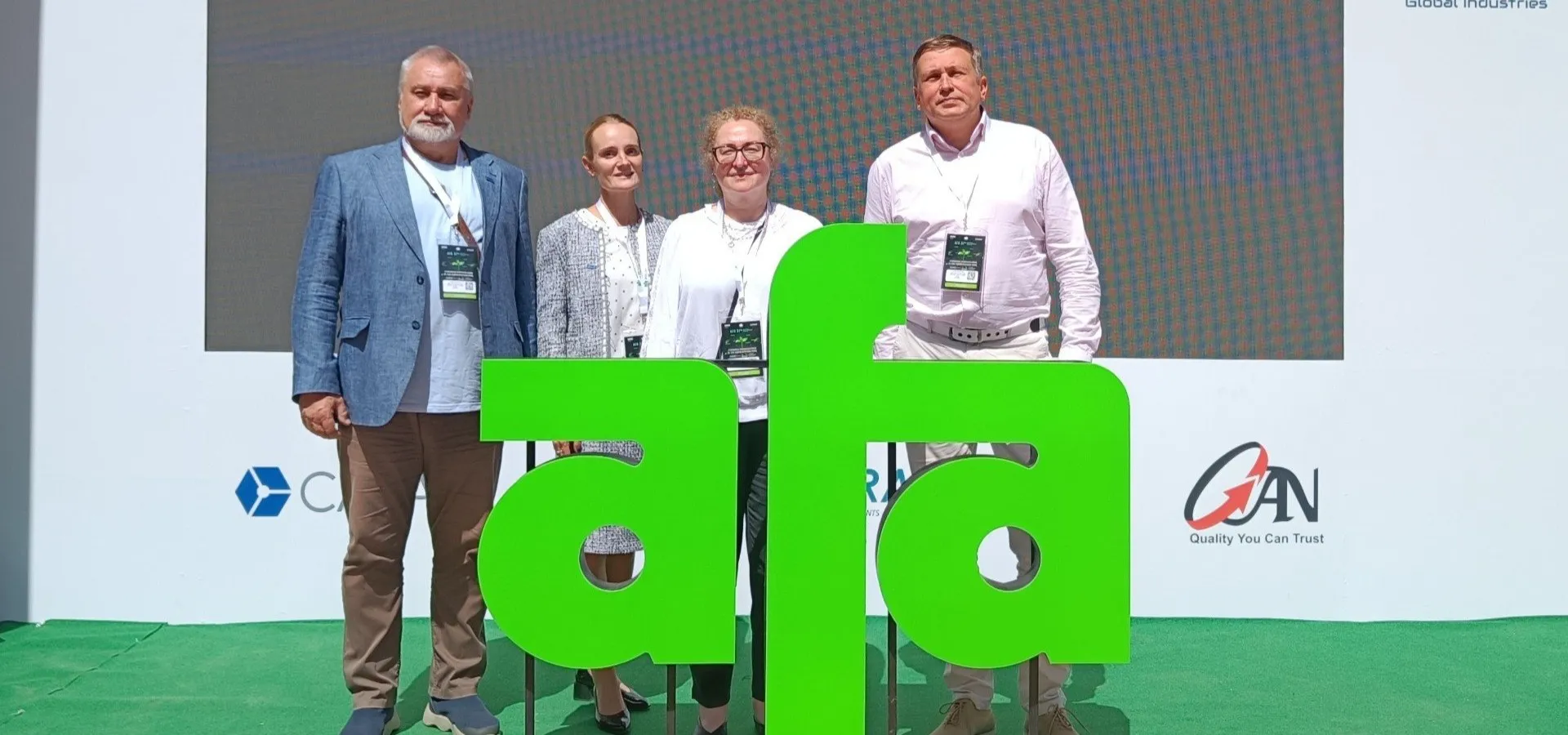
PhosAgro Group experts participated in the 37th International Technical Conference of the Arab Fertilizer Association, held from 16 to 18 September 2025 in Morocco, an event devoted to fostering innovation, sustainable development, and international cooperation in the global fertiliser industry.

AFA

Peoples’ Friendship University of Russia (RUDN)

BRICS International School for Sustainable Agriculture
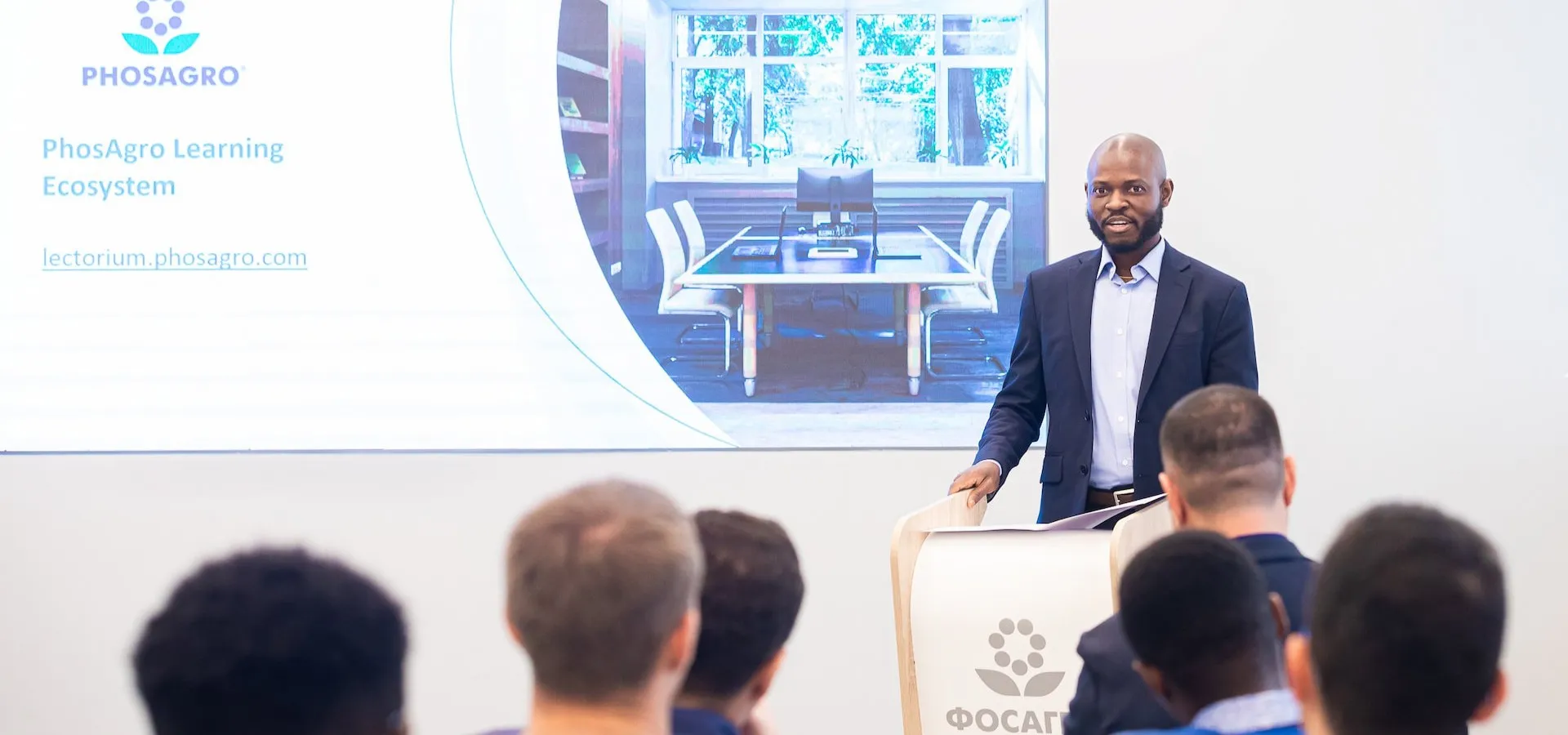
Since 2024, PhosAgro Group and Peoples’ Friendship University of Russia have been running the BRICS International School for Sustainable Agriculture for students from BRICS member states, annually welcoming participants from Egypt, India, Iran, China, Russia, and South Africa.

RUDN

Mendeleyev University of Chemical Technology of Russia
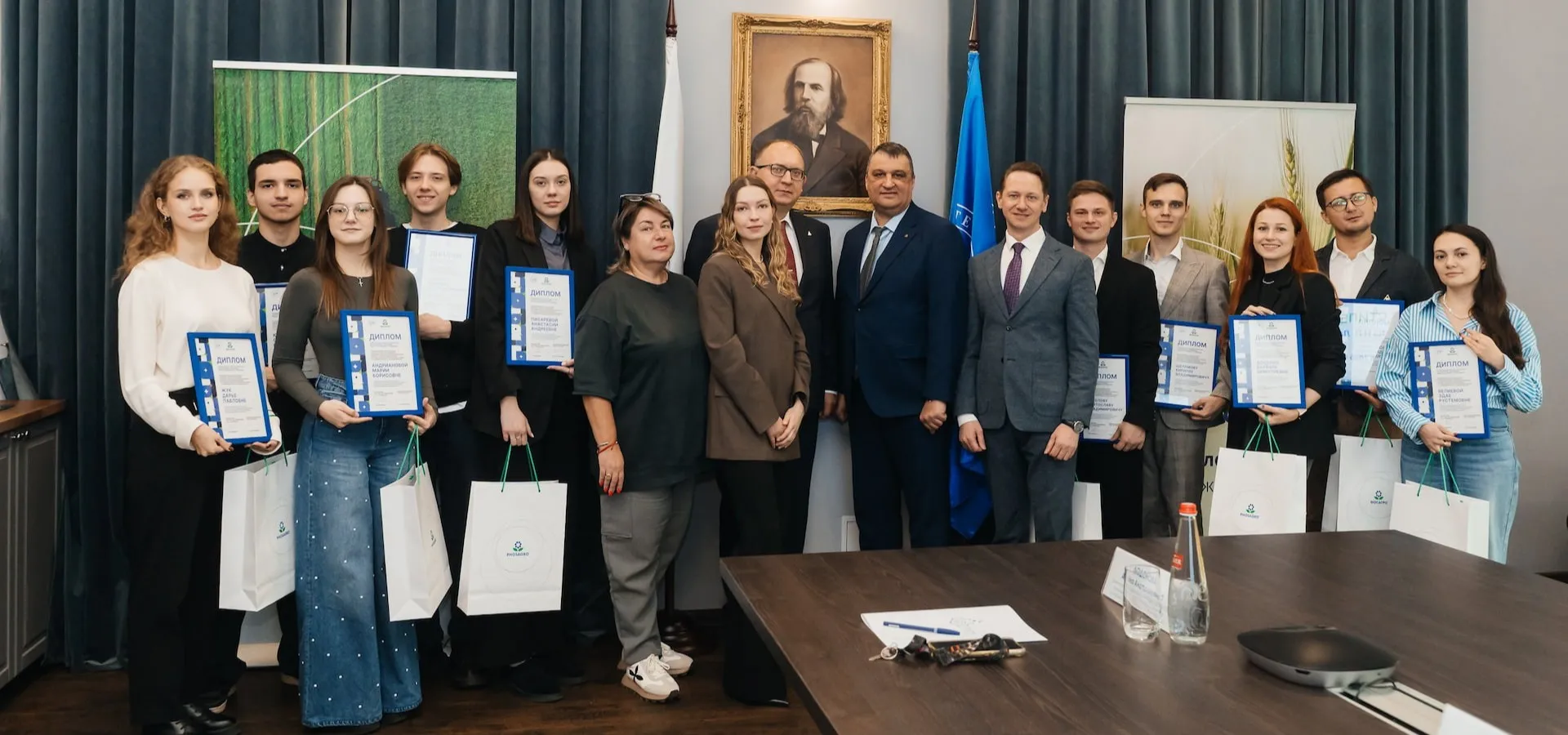
Partnership in promoting fundamental scientific knowledge and research in chemistry in support of the Sustainable Development Goals and the legacy of the great Russian scientist Dmitry Mendeleyev.

In 2025, PhosAgro awarded scholarships to 20 winners of the 7th and 8th competitions of the Laverov scholarship programme. Since the programme’s launch in 2022, 80 talented students of the Mendeleyev University of Chemical Technology have been recognised as laureates.

Mendeleyev University of Chemical Technology of Russia

International Forums and Events
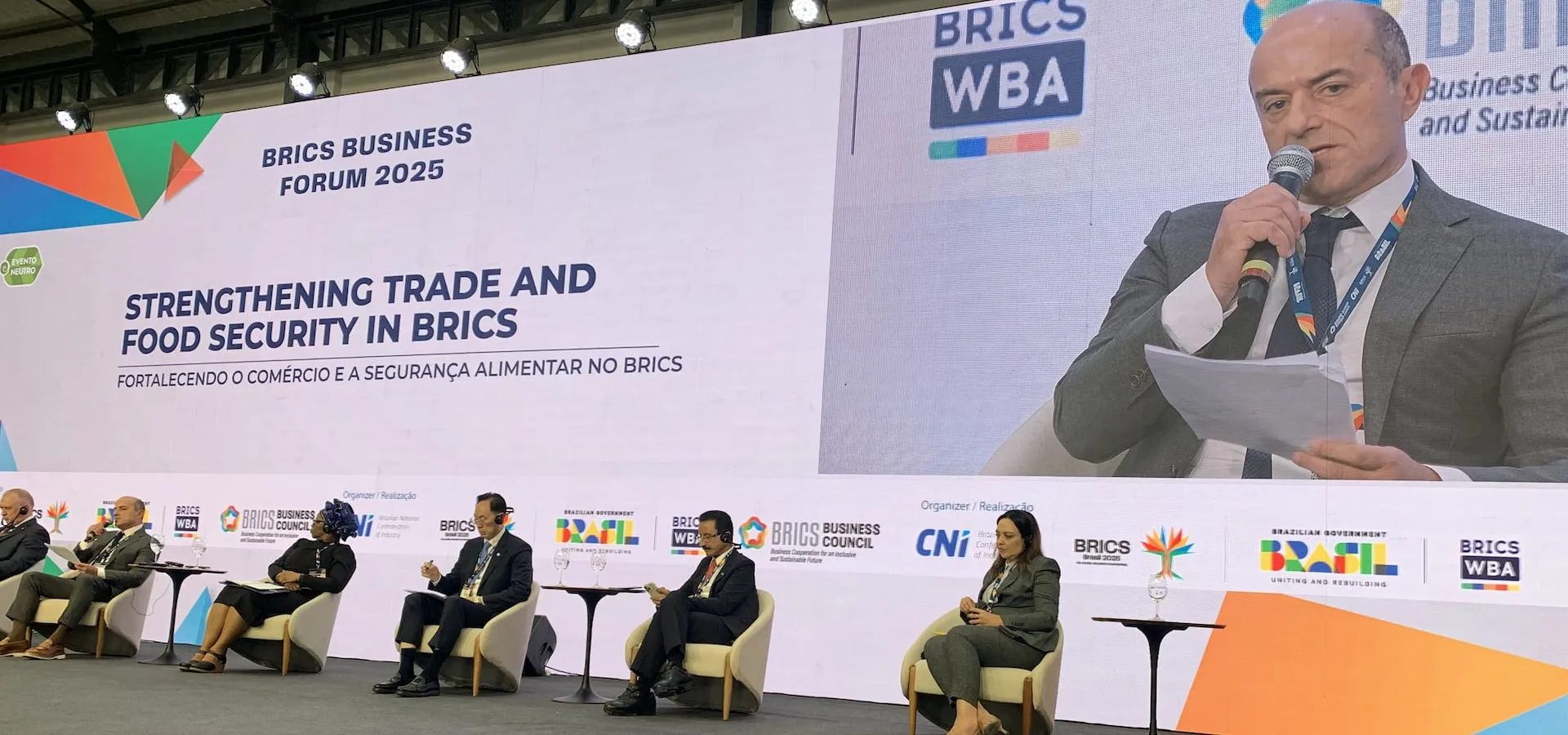
PhosAgro Group expert engagement in international events, reinforcing the Company’s position as a global leader in mineral fertilizer production in support of food security, environmental protection, and public health.

In July, the Group participated in the BRICS Business Council in Rio de Janeiro, presenting a report on the expansion of strategic partnerships with partner nations in the panel session “Strengthening Trade and Food Security in BRICS”.

International Forums and Events

Cooperation within BRICS

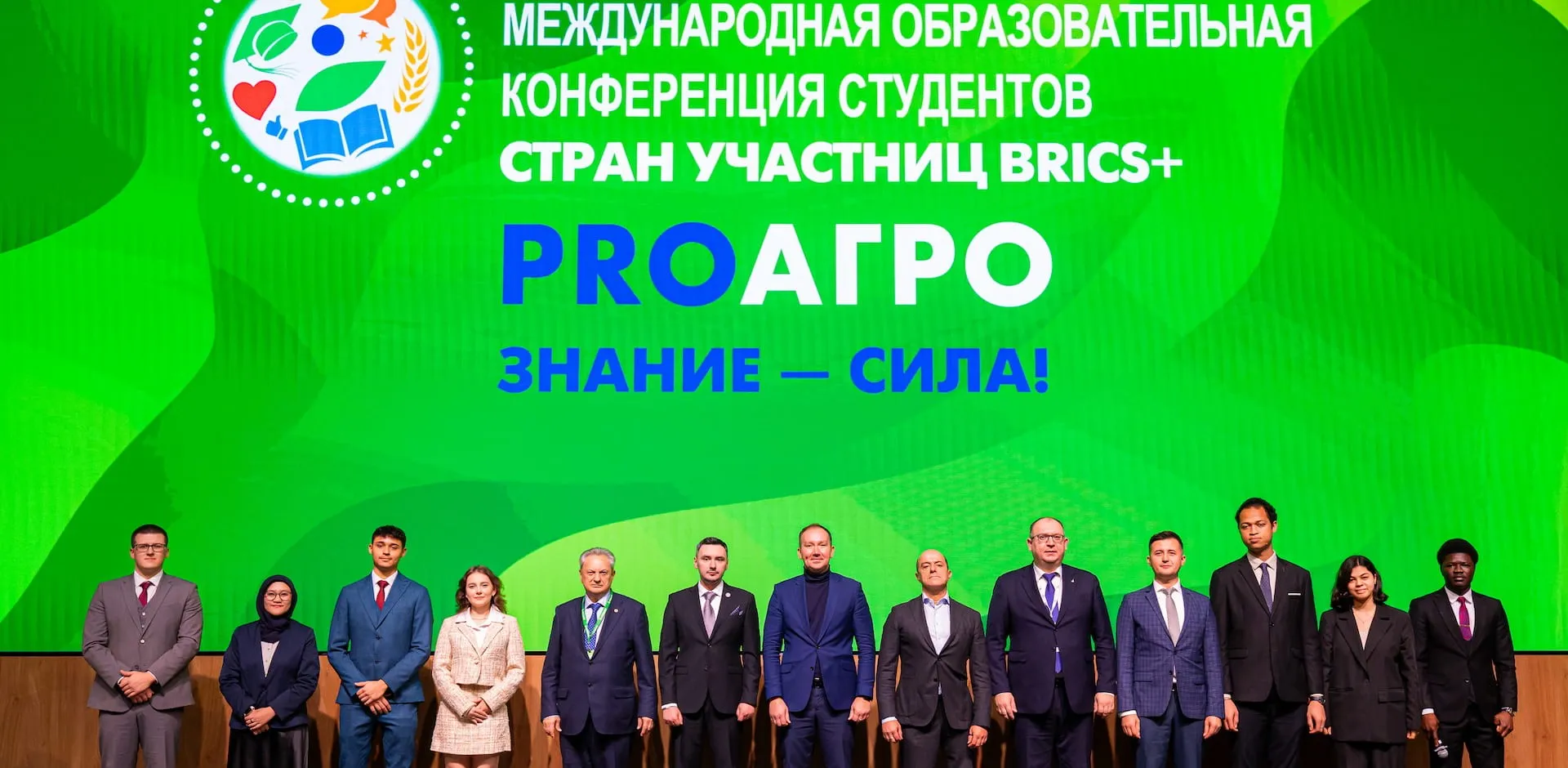
On 24 November 2025, the first international scientific and educational conference titled “Education as a Pillar of Food Security in BRICS Countries” was held at the Timiryazev Centre.

Key conference topics included BRICS cooperation on agricultural workforce training, young people’s scientific and technological potential development, and the dissemination of agricultural knowledge.

The conference was attended by more than 250 students from 30 countries across Africa, Asia, the Middle East, and Latin America, along with business representatives and the extraordinary and plenipotentiary ambassadors of India, Brazil, Kenya and Ethiopia. The Company’s Pro Agro Lectorium digital platform – an educational project for international cooperation and workforce training for the fertilizer industry and agriculture – was presented at the conference.

Russian Deputy Foreign Minister Sergey Ryabkov said that education is the foundation for building the future. Supporting technical and vocational training has become a key BRICS cooperation priority.

In this context, Sergey Ryabkov expressed full support for PhosAgro’s Pro Agro Lectorium platform, which helps train and upskill agricultural personnel.

Cooperation within BRICS

Cooperation in the UN Food and Agriculture Organization (FAO)
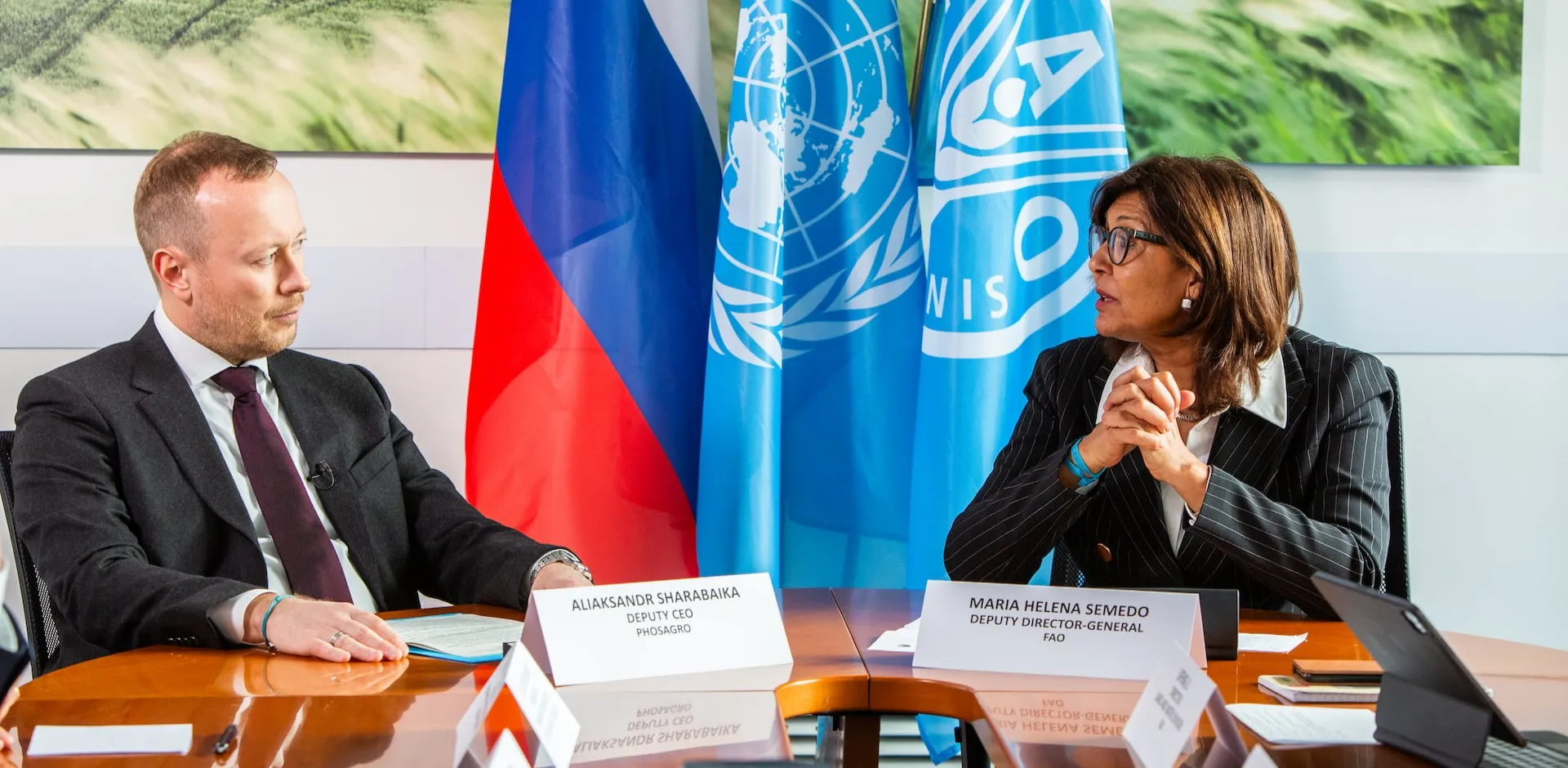
PhosAgro’s partnership with the FAO is a unique private‑sector collaboration with a UN specialised agency. In 2018, PhosAgro became a FAO global partner and the first Russian company chosen to implement a global soil protection initiative.

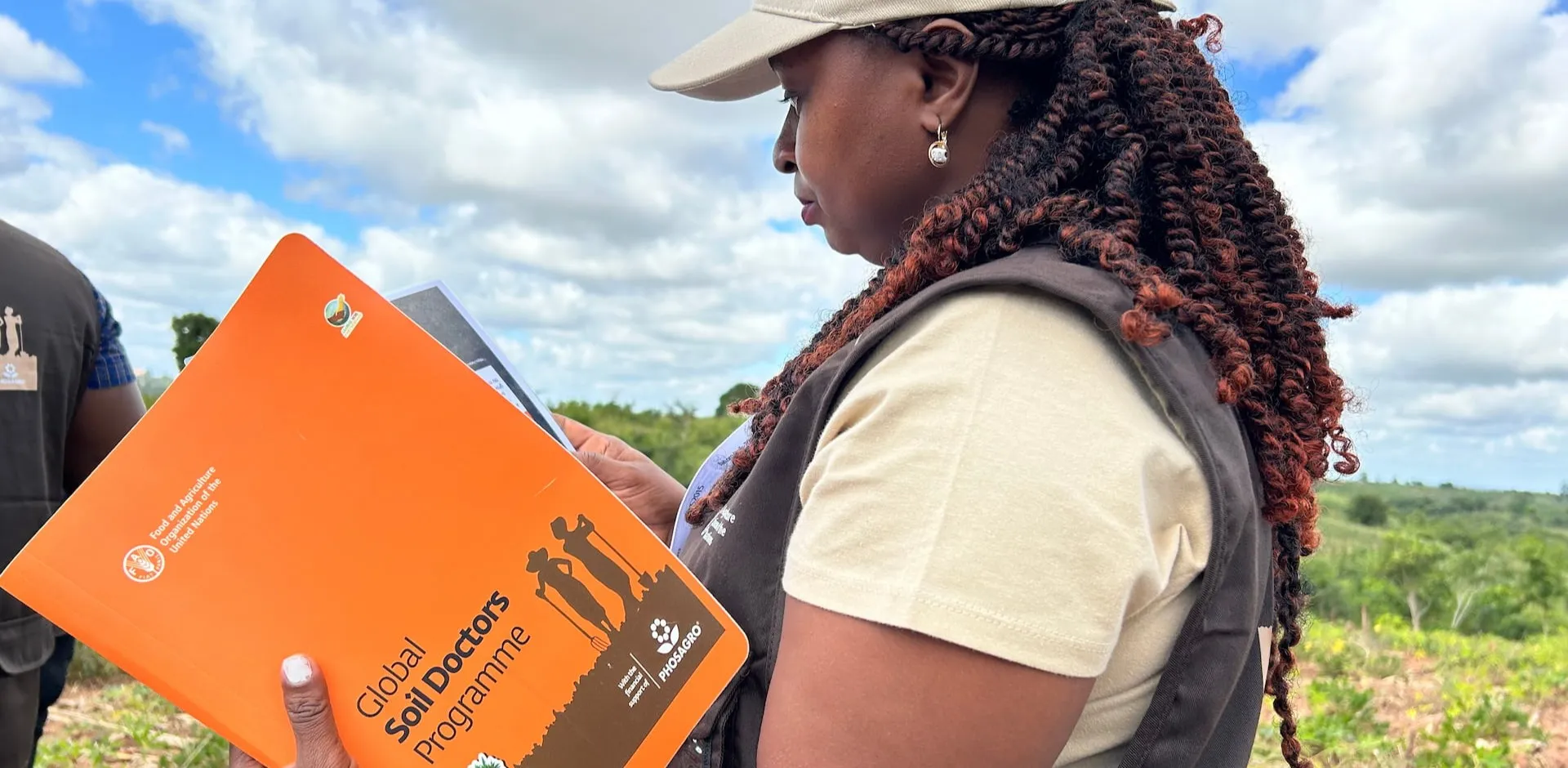
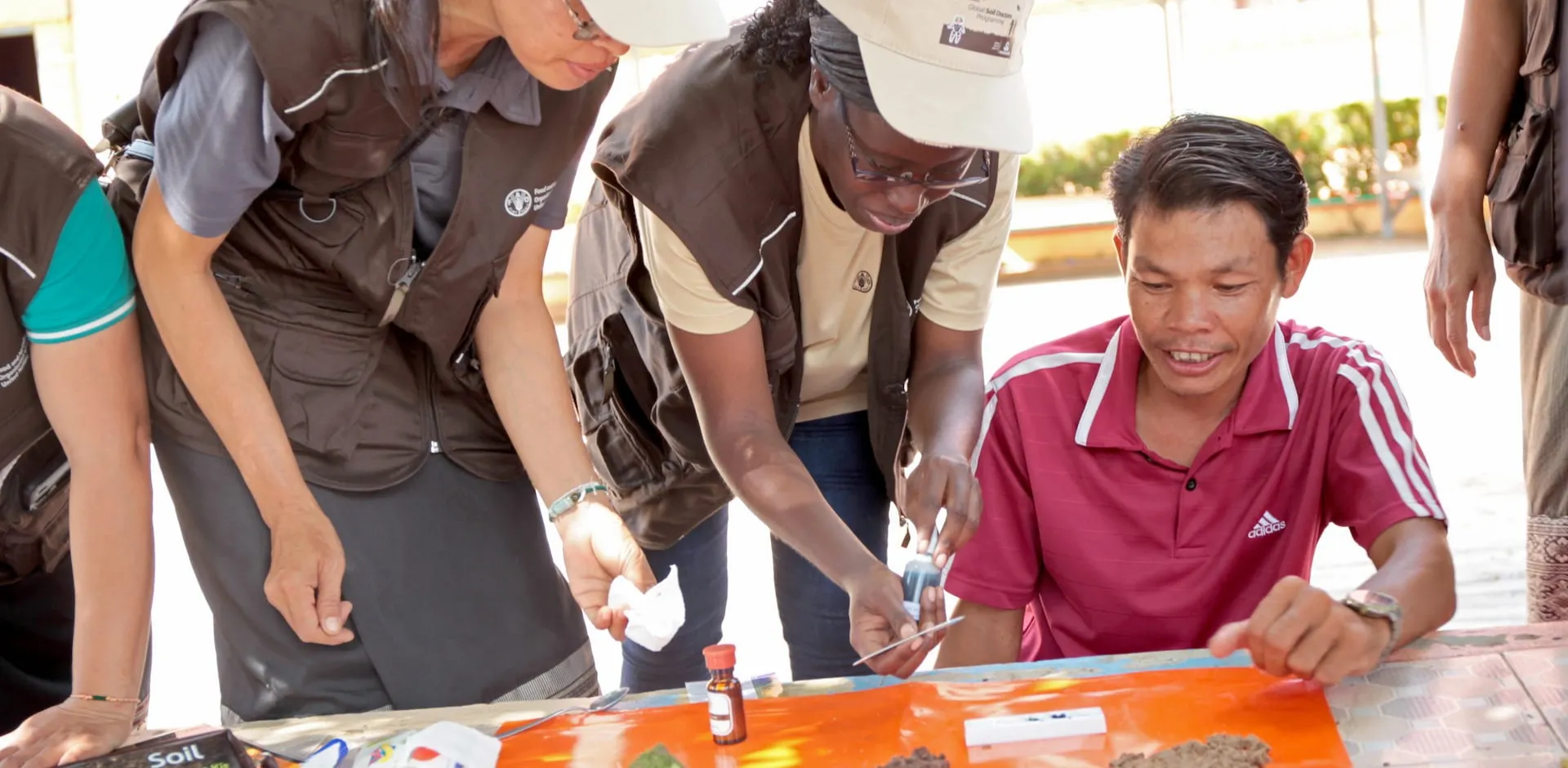
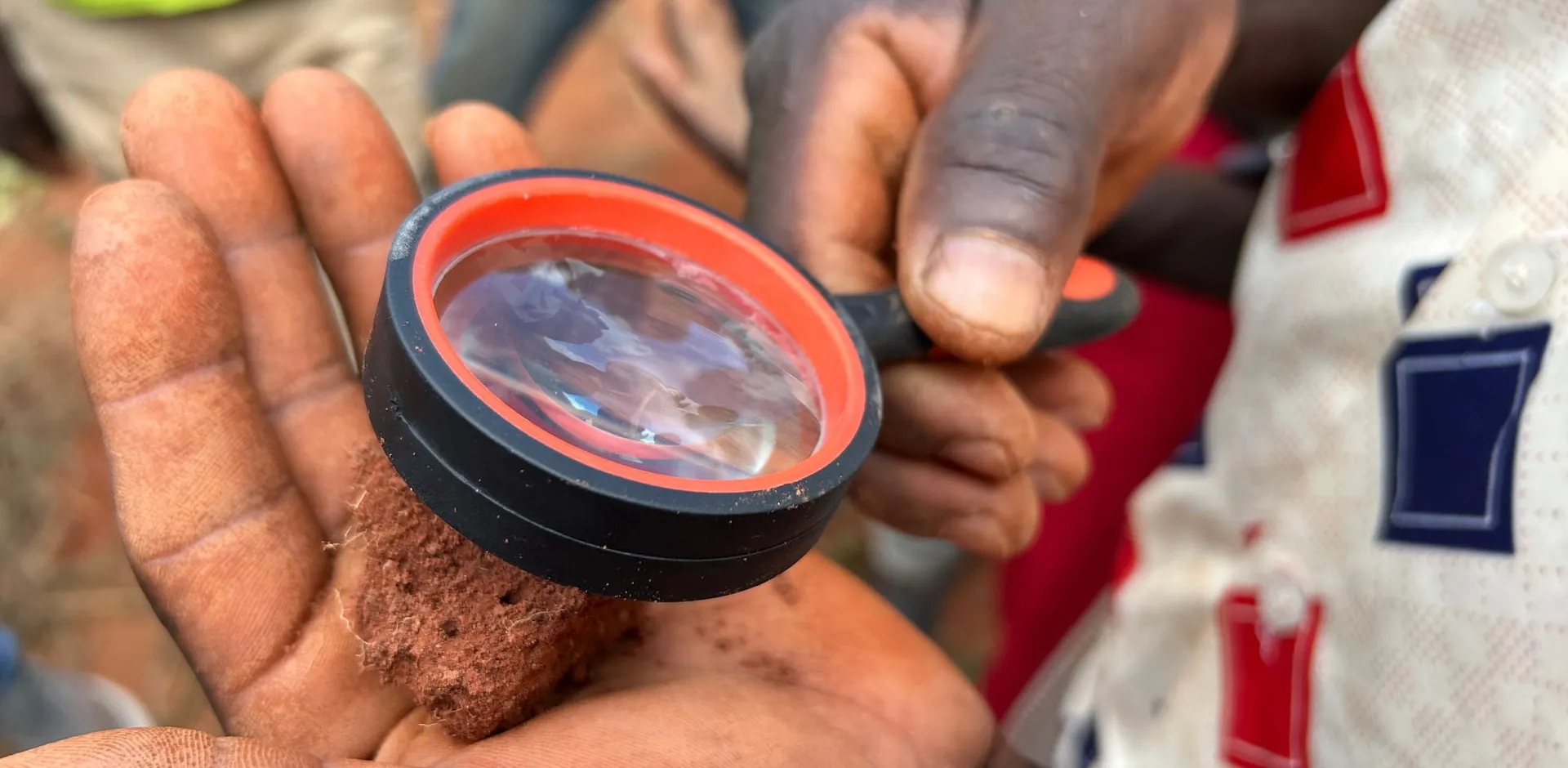
Under the partnership, a sustainable agriculture project is being carried out through the Global Soil Doctors Programme and the Global Soil Laboratory Network (GLOSOLAN). The goal is to improve farmers’ soil management skills and strengthen soil laboratories in Africa, Asia, Latin America, the Middle East, Russia and beyond. The global network now spans 160 countries and over 1,000 laboratories. The Global Soil Doctors programme trains farmers in effective and safe soil management, providing a unique soil testing kit for assessing soil condition and identifying optimal management practices. Over 15,000 farmers from 27 developing countries have already participated.

PhosAgro, together with Agrogard and Moscow State University and with technical support from the FAO, is for the first time in Russia implementing the RECSOIL (Recarbonisation of Global Soils) initiative under the FAO Global Soil Partnership.

PhosAgro also participated in the establishment of the Regional Soil Laboratory Network (RESOLAN) in Africa, which currently comprises 220 laboratories across 54 African nations.

PhosAgro’s total contribution to the global soil protection project amounts to USD 5.4 mln over the 2018–2026 period.

Cooperation in the UN Food and Agriculture Organization (FAO)